AGP Executive Report
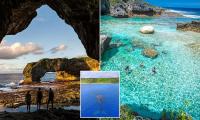
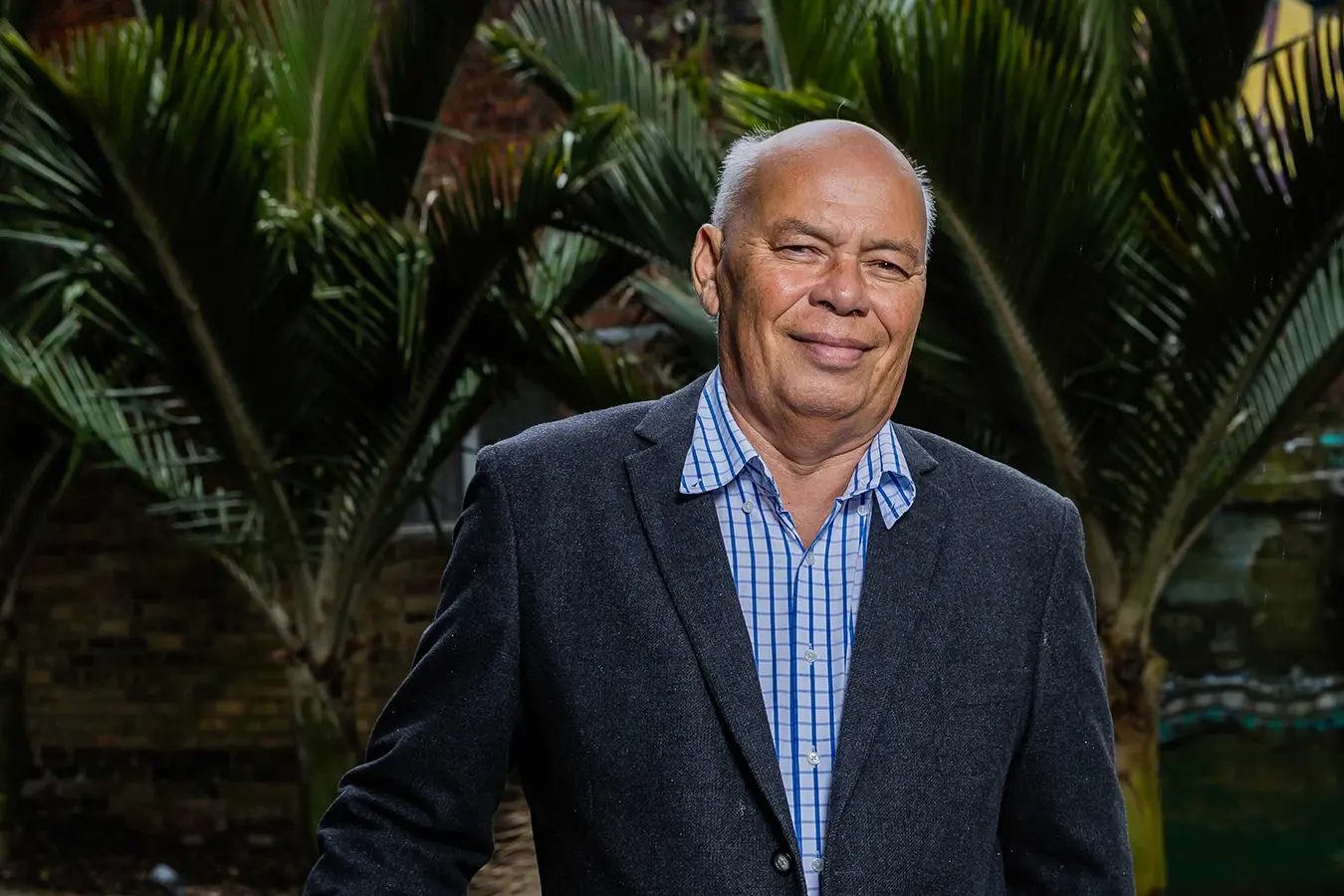
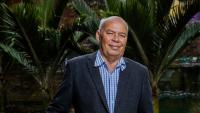
Last update: 4 hours agoBiodiversity: Tuvalu negotiator Ambassador Ian Fry says countries must work together to halt dramatic species loss, drawing on three decades of work on the UN biodiversity convention. Climate Resilience: The Asian Development Bank’s new five-year Pacific strategy includes Niue among 12 island countries, with plans for climate-resilient infrastructure, essential services and economic opportunities tailored to island needs. Community-Led Conservation: Pacific leaders are urging long-term conservation funding to flow through trusted local institutions and follow community priorities, rather than short-term projects. Niue Nature: A travel feature spotlights the island’s rare honeybees, protected dark skies, whale encounters and rugged limestone coast.
Note: AI summary from news headlines; neutral sources weighted more to help reduce bias in the result. Feedback is welcome. Please let us know if you have any comments or suggestions about the AGP Executive Report.
 Perspectify News